
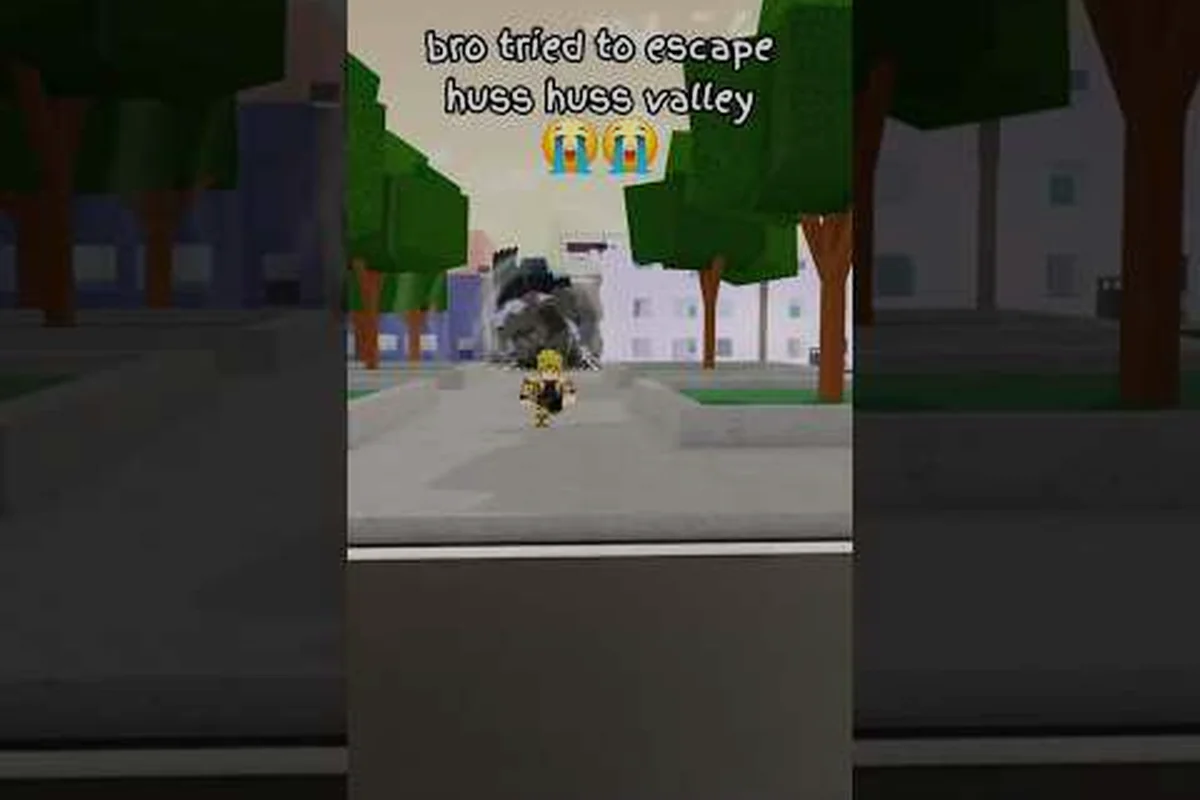
Understanding Escape Huss Valley monster behavior is the difference between banking coins and losing everything to a jumpscare. Every round in Folk Valley pits you against NPC monsters that spawn, patrol, and chase with predictable patterns — patterns you can learn and exploit. This guide breaks down how monster NPCs detect players, which monster types pose the greatest danger, and exactly how to escape monsters once they lock onto you.
The official Escape Huss Valley Roblox page confirms that monster NPCs are the core threat in the game. They spawn around Folk Valley and chase players who get too close, and being caught ends the round before you can bank coins. Because the developer has not published an official monster list, the behaviors described here come from community play experience and testing, verified as of August 2026.
How Monster Detection Works in Escape Huss Valley
Monster NPCs in Escape Huss Valley rely on a detection system that combines line of sight, proximity, and sound cues. Understanding this system is the foundation of every successful escape, because it tells you when to sprint, when to hide, and when to break line of sight before a chase even begins.
Detection Range and Line of Sight Mechanics
Every monster has an aggro range that determines how close you need to be before it notices you. Community testing suggests this range varies by monster type, with faster chasers generally having shorter detection ranges to keep encounters fair. When you enter that range and the monster has a clear line of sight, it begins a chase.
Line of sight is the critical factor. Walls, crates, and elevation changes all block detection. If a monster cannot see you, it will not chase you, even if you are technically within its aggro range. This is why the rooftop network and alleyway routes are so effective — they break line of sight constantly while keeping you moving toward an exit.
Sound Cues and Sprint Awareness
Sprinting with LeftShift generates noise that extends your detection radius. Monsters in Escape Huss Valley can hear you through walls when you sprint, which means careless sprinting near a patrolling monster can trigger a chase you were not expecting. Walking or crouching keeps your sound profile low, but it also slows you down significantly.
The practical takeaway is that escape Huss Valley monster encounters reward deliberate movement. Sprint when you have clear sightlines and know where monsters are, but walk when you are navigating blind corners or tight interior spaces. Community reports indicate that experienced players alternate between sprint and walk constantly, treating sound management as a core survival skill.
Every Monster Type and Their Danger Level
Escape Huss Valley monster types are not all created equal. Some are slow patrol units that you can outwalk, while others are fast chasers that demand immediate evasive action. Based on community documentation and player reports, here is the breakdown of the monster types currently documented in Folk Valley.
| Monster Type | Relative Speed | Detection Range | Danger Level | Best Response |
|---|---|---|---|---|
| Patroller | Slow walk | Short | Low | Walk past, maintain distance |
| Chaser | Fast sprint | Medium | High | Break line of sight immediately |
| Ambusher | Stationary | Very short | Medium | Listen for audio cue, reroute |
| Night Stalker | Variable | Long | Critical | Avoid night rounds until geared |
The Patroller is the most common monster type and the easiest to handle. It moves slowly along fixed routes and has a short detection range, so you can usually walk around it without triggering a chase. The Chaser is faster and more aggressive, activating when you enter its medium detection range and pursuing you relentlessly until you break line of sight.
The Ambusher does not move, which makes it the most deceptive threat. It stays perfectly still in doorways, alleys, and behind crates, waiting for players to walk into its very short detection range. Community reports suggest you can identify Ambushers by a faint breathing audio cue that plays when you get close, giving you a split second to change direction.
The Night Stalker only appears during night rounds and has the longest detection range of any monster type. It actively hunts players rather than patrolling, which means you cannot rely on route memorization alone. Most players avoid night rounds entirely until they have upgraded their movement stats and learned the map thoroughly.
How to Lose Monsters Once a Chase Starts
Knowing how to escape monsters is the most valuable skill in Escape Huss Valley, because chases will happen regardless of how careful you are. The key is having a response plan that you can execute without thinking, because hesitation costs you precious seconds and often ends the round.
Breaking Line of Sight with the Environment
The most reliable way to lose a monster is to break line of sight and then change direction. When you round a corner and the monster loses sight of you, it will continue to the last position where it saw you. If you immediately change direction and move perpendicular to its path, you can create enough distance to escape.
Rooftop routes are particularly effective for this because they combine line of sight breaking with elevation changes. A monster chasing you on the ground cannot follow you onto a rooftop unless there is a ramp or staircase, and by the time it routes around, you are already gone. The monster routes guide covers specific pathing strategies for using the environment to your advantage.
Sprint Timing and Stamina Conservation
Sprinting is your primary tool for escaping chases, but stamina is a limited resource. The stamina bar drains quickly when you sprint, and if it empties mid-chase, you slow to a walk and become easy prey. Managing sprint timing is therefore just as important as knowing the map.
The pattern that works best is sprinting in short bursts around corners and through doorways, then walking briefly to recover stamina while the monster is still breaking line of sight. This burst-and-recover rhythm lets you maintain distance without exhausting your stamina bar. Community testing shows that players who sprint constantly actually lose more chases than players who pace themselves, because they run out of stamina at the worst possible moment.
Using Shift Lock Turns for Tight Corners
Shift Lock is a camera control that many players overlook, but it is essential for navigating tight corners during a chase. When you hold LeftCTRL to enable shift lock, your camera stays fixed while your character turns, giving you better spatial awareness in narrow spaces. This makes it easier to navigate alleyways and interior corridors without bumping into walls and losing speed.
The combination of shift lock turns and burst sprinting is the core movement technique for escaping chases. It allows you to maintain momentum through complex routes while keeping the camera oriented toward your escape path. Players who master this technique report significantly higher survival rates in late-round chases.
Monster Encounter Patterns by Map Area
| Monster Behavior | Observed Mechanic | Counter-Strategy | Community Confidence |
|---|---|---|---|
| Aggro trigger | Chases players who get too close around Folk Valley | Maintain distance; use LeftCTRL shift lock turns to break pursuit | High |
| Line-of-sight tracking | Continues chase until line of sight is broken | Break line of sight via rooftop or alleyway routes | High |
| Catch penalty | Being caught ends the round before banking coins | Prioritize banking coins early in the round | High |
| Sprint dependency | LeftShift sprint is the primary escape tool | Chain LeftShift sprint with route changes to avoid stamina loss | Medium |
| Spawn variability | Specific spawn points not officially published; may change each update | Scout spawns at round start; adapt route per update | Low |
Escape Huss Valley monster encounters are not random — they follow patterns tied to specific map areas. Learning these patterns lets you predict where monsters will be and plan your route accordingly. The monster spawn guide provides detailed spawn locations, but the behavioral patterns are worth understanding on their own.
| Map Area | Typical Monster Types | Encounter Frequency | Recommended Approach |
|---|---|---|---|
| Huss Town Square | Patroller, Chaser | High | Stay elevated, use rooftops |
| Market Alley | Ambusher, Patroller | Medium | Listen for audio cues, walk |
| Warehouse District | Chaser, Night Stalker | High | Avoid at night, sprint between cover |
| Riverside Path | Patroller | Low | Safe route, good for coin runs |
The Huss Town Square is the most dangerous area because it has high monster density and open sightlines. Patrollers and Chasers both spawn here frequently, and the open layout makes it hard to break line of sight. The best approach is to stay on the rooftop network above the square, using the elevated routes to bypass ground-level patrols entirely.
The Market Alley is where Ambushers are most common. The narrow corridors and blind corners create perfect ambush spots, and the tight spaces make it hard to maneuver during a chase. Walking through this area while listening for audio cues is the safest approach, even though it is slower than sprinting.
The Warehouse District combines high monster density with complex interior spaces, making it one of the most challenging areas in the game. Chasers are common here, and Night Stalkers appear during night rounds. The interior spaces offer good line of sight breaking, but the tight corridors make sprinting risky. Community reports suggest treating this area as a sprint-between-cover zone, moving in short bursts between safe spots.
The Riverside Path is the safest area in Folk Valley, with only Patrollers spawning at low frequency. This makes it the preferred route for coin farming runs, especially for players who are still learning the game. The open layout gives you plenty of warning before a monster approaches, and the low monster density means you can usually walk the entire path without triggering a chase.
Advanced Monster Behavior Strategies
Once you understand the basics of Escape Huss Valley monster behavior, you can start using advanced strategies that turn the tables on your pursuers. These techniques require practice, but they dramatically increase your survival rate and coin income.
Baiting and Redirecting Monsters
One advanced technique is deliberately triggering a monster chase to redirect it away from your intended path. When you know a monster is patrolling near your escape route, you can approach its detection range, trigger the chase, and then lead it away from your destination before breaking line of sight. This clears the path for your actual escape.
This technique is risky because it requires precise timing and good stamina management. If you mistime the bait or run out of stamina mid-redirect, you end up in a chase with no escape plan. The chase tips guide covers baiting strategies in more detail, including specific routes that work well for redirecting monsters.
Using Monster Behavior for Coin Farming
Monster behavior patterns also affect your coin income. Because the Riverside Path has low monster density, it is the safest route for farming coins, but it also has fewer coin pickups than high-risk areas. The Warehouse District has more coins but also more dangerous monster encounters, creating a risk-reward tradeoff.
Players who understand monster behavior can farm the Warehouse District safely by learning the Chaser patrol routes and timing their sprints between cover points. This earns significantly more coins per round than farming the Riverside Path, but it requires mastery of the movement techniques described earlier. The monster tier list provides additional context on which monsters are worth the risk for experienced players.
Night Round Preparation
Night rounds are the hardest content in Escape Huss Valley, and they require specific preparation. Before attempting a night round, you should have upgraded your movement stats, learned the map thoroughly, and practiced breaking line of sight under pressure. The Night Stalker's long detection range means you cannot rely on passive avoidance — you need active evasion skills.
Community reports suggest that the best night round strategy is to stay on the rooftop network as much as possible, because Night Stalkers are less effective at navigating elevated routes. The rooftops also give you better visibility of approaching threats, letting you plan your escape before the Night Stalker gets close. If you do get caught in a chase during a night round, your priority is breaking line of sight quickly and finding a safe spot to wait out the monster's patrol cycle.
Frequently Asked Questions
What is the most dangerous monster type in Escape Huss Valley?
The Night Stalker is the most dangerous monster type because it has the longest detection range and actively hunts players instead of patrolling. It only appears during night rounds, and its variable speed makes it unpredictable. Most players avoid night rounds until they have upgraded movement stats and mastered breaking line of sight.
How do I escape monsters when my stamina runs out?
When your stamina runs out mid-chase, stop sprinting and focus on breaking line of sight immediately. Round a corner, change direction, and walk quietly for a few seconds to let your stamina recover. The monster will continue to its last seen position, giving you time to recover and resume sprinting.
Can I hide from monsters in Escape Huss Valley?
Yes, hiding works when you break line of sight and stay quiet. Monsters will not chase you if they cannot see you, and they will not find you if you avoid sprinting while they are nearby. Crouching in a corner or behind cover can work, but you need to stay still and quiet until the monster moves away.
Do monster behaviors change with updates?
Yes, monster behaviors can change with game updates. The developer has adjusted spawn rates and detection ranges in past updates, and community testing is the primary way to track these changes. Always check the latest community reports and patch notes to stay current on monster behavior changes.