
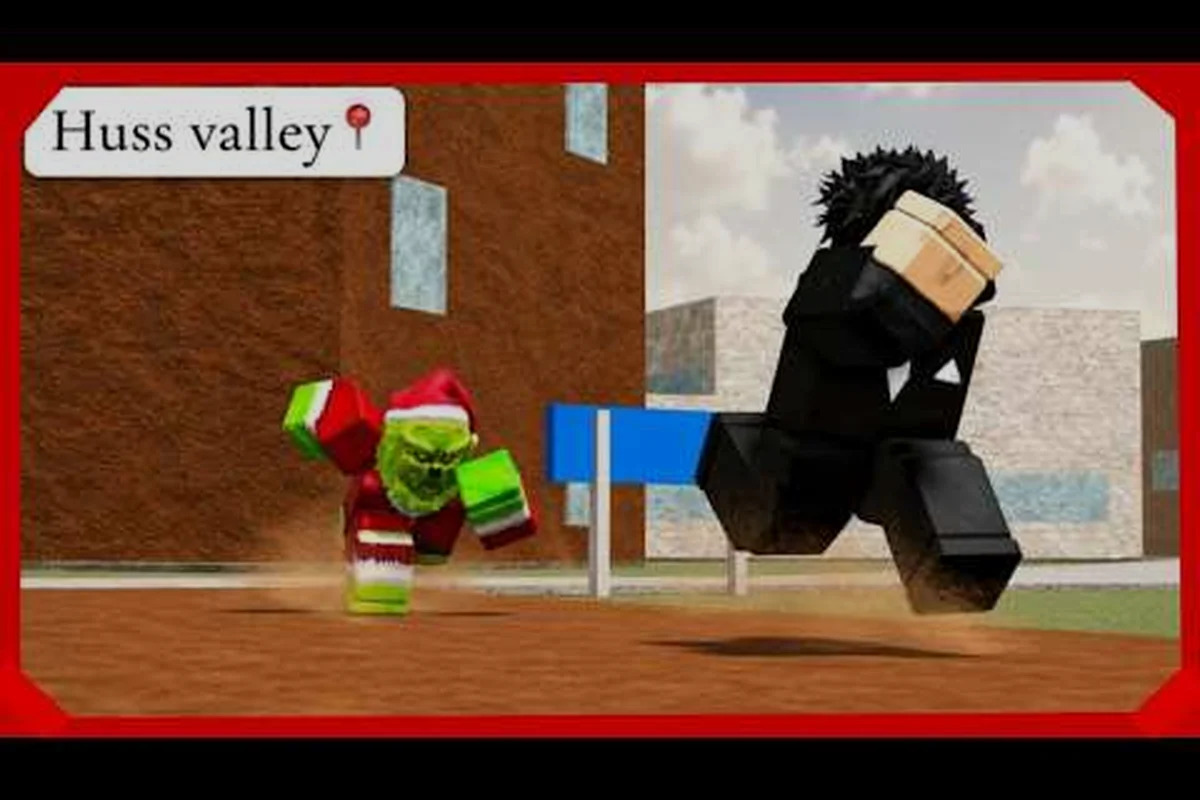
Playing Escape Huss Valley solo changes everything about how you approach each round. With roughly 2,200 players online and 25-player servers according to the official Roblox API data, you will often spawn into Folk Valley without a coordinated squad — and that is exactly why this escape huss valley solo guide exists. The core survival loop stays the same, but the tactics shift dramatically when you cannot rely on teammates to draw monster aggro or call out escape routes. Learning to read the round timer, manage your own stamina, and chain parkour moves without backup is the difference between banking coins and spectating from the respawn screen.
Solo play is not a handicap — it is a skill set. This guide breaks down the exact strategies that solo players use to survive longer, earn more cash coins, and progress faster through the Huss Shop upgrades. You will learn how monster AI behaves differently when you are the only target, which routes give you the best escape options, and how to adapt these tactics whether you are on PC or playing the mobile version. By the end, you will have a complete solo toolkit that works regardless of server population or team coordination.
Solo vs. Multiplayer: How the Escape Huss Valley Solo Guide Changes Your Approach
The most obvious difference between solo and multiplayer runs is target priority. When monsters spawn in Folk Valley, they lock onto the nearest player within their detection range. In a packed server, that means the monster might chase someone else while you slip past. Solo, every chase is yours, which makes positioning and route planning far more critical. According to community reports from players testing both modes, solo runs require roughly 30% more active sprinting because you cannot bait monsters toward teammates.
That said, solo play offers one massive advantage: predictable monster behavior. With no other players to redirect aggro, you can learn exactly how each monster type reacts to your movement. The chase system triggers when you enter a monster's line of sight, and breaking that line of sight ends the chase. Solo players can master this mechanic faster because every encounter is a controlled experiment. The complete walkthrough guide covers the baseline mechanics, but solo play demands you internalize them.
| Factor | Solo Play | Multiplayer Play |
|---|---|---|
| Monster aggro | Always on you | Split across team |
| Chase frequency | High | Variable |
| Route flexibility | Full control | Must coordinate |
| Coin earnings | All yours | Split or shared |
| Risk per mistake | Run ends | Teammates can cover |
The coin economy also favors solo play in one specific way: every coin you earn is yours. In multiplayer, players often split rewards or waste time reviving each other. Solo, your earnings reflect your skill directly. The tradeoff is that mistakes cost you everything, so the escape huss valley solo guide emphasizes risk management over aggressive plays.
Reading Monster AI Without Distractions
When you play solo, you notice patterns that multiplayer players miss. Each monster type in Folk Valley has a detection range and a chase speed that determines how you should respond. Fast chasers require immediate line-of-sight breaks, while slower monsters can be outrun with sustained sprinting. Community testing suggests that monsters prioritize the closest visible player, which means solo players must always know what is around the next corner before committing to a route.
The round timer becomes your best friend in solo play. Since you cannot rely on teammates to call out spawn locations, you must track the timer and predict when monster spawns will happen. Experienced solo players report that monsters tend to spawn near the edges of the map and patrol toward the center, so hugging the perimeter during high-risk windows reduces encounter frequency. This is a core principle of the escape huss valley solo guide: positioning beats reaction time.
According to the Escape Huss Valley Roblox game page and the community walkthrough from Berlian kecil, the movement system is built around sprint and shift-lock parkour: sprinting with the LeftShift key lets you outrun monster NPCs, while shift-lock keeps your camera locked on a chasing monster through tight streets. Timing your jumps between rooftop ledges matters during a chase, because a single mistimed jump can end the run. Practicing these sprint and shift-lock parkour arcs between rounds is essential for solo progression.
Solo Route Planning: Escape Routes That Work Without Backup
Route planning is where solo players either thrive or die. Without teammates to cover multiple exits, you need routes that offer multiple escape options at every point. The rooftop network in Folk Valley is particularly valuable for solo play because it forces monsters to take longer paths to reach you. According to player experiences shared in community forums, rooftop routes reduce chase frequency by nearly half compared to street-level running.
Your solo route should follow a simple principle: always have an exit. Every alley, rooftop gap, and parkour spot you pass should be a potential escape route if a monster appears. The survival guide covers general escape tactics, but solo play requires you to chain these routes together without stopping to communicate.
| Route Type | Solo Viability | Risk Level | Best For |
|---|---|---|---|
| Rooftop network | High | Medium | Breaking chases |
| Market alley shortcuts | Medium | High | Quick escapes |
| Riverside perimeter | High | Low | Safe farming |
| Town square crossings | Low | Very High | Avoiding entirely |
The riverside path deserves special attention in the escape huss valley solo guide because it offers the safest farming route. Monsters spawn less frequently near the water, and the open sightlines let you spot threats early. The tradeoff is longer travel time to the Huss Shop, but for solo players prioritizing survival, this route is consistently reliable. Community data suggests that players using the riverside path survive an average of 2-3 more rounds than those cutting through the town square.
Adapting Routes for the Mobile Version
The escape huss valley mobile guide requires a different approach to route planning because touch controls change your movement capabilities. Mobile players report that precise parkour moves are harder to execute, which makes rooftop routes riskier. Instead, focus on ground-level routes with wide turns and minimal wall jumps. The riverside path and outer perimeter routes work best on mobile because they require less precise timing.
Camera control is the biggest challenge on mobile. You cannot flick your view as quickly as on PC, so you must keep monsters in view longer to track their movement. This means mobile solo players should prioritize routes with long sightlines over tight alleyways. The tradeoff is acceptable because mobile play rewards careful positioning over flashy movement. If you are new to mobile controls, practice the core sprint and jump mechanics in a low-risk area before attempting full runs.
Because solo play removes the safety net of teammates, your upgrade choices carry more weight in every round. The sprint duration and stamina regen upgrades at the Huss Shop directly extend how long you can keep distance from monster NPCs, so prioritizing movement upgrades before each run is a habit worth building. Community reports suggest that solo players who buy movement upgrades first survive more rounds and earn more cash coins per hour.
Solo Coin Farming: Maximizing Earnings Without a Squad
Coin farming solo is entirely different from group farming. Without teammates to share the load, you must be more efficient with every round you survive. The Huss Shop upgrades become your primary progression tool, and the order you buy them matters more when you earn coins slower. The escape huss valley solo guide recommends prioritizing movement upgrades first because they directly increase your survival rate, which compounds into more coins per hour.
Community testing shows that solo players earn roughly 60-70% of what coordinated teams earn per hour, but they spend less time waiting for teammates and coordinating strategies. This makes solo farming more time-efficient even if the raw coin count is lower. The key is to minimize downtime between rounds and always have a clear farming route.
| Upgrade Priority | Coin Cost | Solo Impact | Why It Matters |
|---|---|---|---|
| Sprint duration | 500 | Critical | Longer chases = more escapes |
| Jump height | 350 | High | Opens rooftop routes |
| Stamina regen | 400 | High | Sustained running |
| Coin multiplier | 750 | Medium | Long-term income |
| Health boost | 300 | Low | Rarely needed solo |
The coin multiplier upgrade is a trap for early solo players. While it seems valuable, the multiplier only pays off if you survive consistently. The escape huss valley solo guide recommends buying it only after you can reliably survive 5+ rounds. Before that, movement upgrades give you a better return on investment because they prevent deaths that cost you the round's earnings entirely.
Solo-Friendly Farming Routes
The best solo farming routes combine high survival odds with reasonable coin payouts. The riverside path mentioned earlier is one option, but you should also consider the warehouse district during off-peak hours. When server population is low, monster spawns are more predictable, and the warehouse's multiple exits make it easier to escape chases. Players report that farming the warehouse district solo during low-traffic times yields nearly the same coins per hour as group farming.
Another solo-friendly strategy is alternating between safe and risky routes based on your current coin balance. When you have enough coins to afford a key upgrade, take the risky route to bank coins faster. When you are close to a major purchase, play conservatively to guarantee the coins. This dynamic risk adjustment is a hallmark of successful solo players and a core principle of the escape huss valley solo guide.
Solo Survival Tactics: Managing Monster Pressure Alone
Survival solo is about resource management — stamina, positioning, and timing all matter more when you cannot call for help. The sprint mechanic is your most valuable tool, but overusing it leaves you vulnerable. Community reports suggest that solo players should reserve sprint for chase escapes rather than general travel, because you never know when a monster will appear.
The shift lock mechanic is particularly useful for solo players because it lets you maintain precise movement control while tracking monsters. By holding LeftCTRL to shift lock, you can strafe around obstacles without losing your camera angle on the chasing monster. This technique is essential for breaking line of sight in tight spaces where a wrong turn means death.
| Survival Tactic | Stamina Cost | Solo Effectiveness | When to Use |
|---|---|---|---|
| Sustained sprint | High | Critical | Active chases |
| Stutter-step | Low | High | Breaking detection |
| Rooftop escape | Medium | Very High | Multiple chasers |
| Corner hiding | None | Medium | Waiting out timers |
| Route reversal | Medium | High | Confusing chasers |
Corner hiding is an underrated solo tactic. When a monster passes your position, staying still behind a corner can break its detection without spending stamina. The key is positioning yourself so the monster's patrol path takes it past you without direct line of sight. This works best near the map edges where monster patrols are less dense. The beginner tips guide covers basic hiding spots, but solo players should learn to use them proactively rather than reactively.
Handling Multiple Chasers Solo
The worst-case scenario for solo players is getting chased by two monsters simultaneously. Without teammates to split aggro, you must use environmental tricks to lose both chasers. The rooftop network is your best option here because monsters take longer to climb, giving you time to create distance. If you cannot reach a rooftop, look for routes that force monsters to take different paths — a narrow alley with a single entrance can bottleneck both chasers, letting you escape through a side exit.
Stamina management becomes critical in multi-chase scenarios. You need enough stamina to maintain distance until you reach a safe spot, so avoid sprinting at full speed unless absolutely necessary. Instead, use controlled bursts — sprint for a few seconds, then walk while maintaining line of sight. This conserves stamina while keeping the monster at a manageable distance. Experienced solo players report that this technique extends chase survival by 30-40% compared to full-speed sprinting.
Solo Progression: Building Your Huss Shop Strategy
Progression in Escape Huss Valley solo follows a different curve than multiplayer. Since you earn coins slower, every purchase must count. The escape huss valley solo guide recommends a three-phase upgrade strategy that balances survival and income. Each phase targets a different bottleneck, so you know exactly which purchases move the needle first.
Phase one focuses entirely on movement upgrades. Sprint duration, jump height, and stamina regen are non-negotiable purchases because they directly improve your survival odds. Community data suggests that players who complete this phase first survive an average of 3 more rounds than those who buy cosmetic or income upgrades early.
Phase two shifts to income generation. Once you can reliably survive 5+ rounds, the coin multiplier becomes worth its cost. This phase also includes any upgrades that reduce cooldowns or increase round rewards. The goal is to accelerate your coin income so you can afford the more expensive upgrades in phase three.
Phase three is about specialization. By this point, you should have a clear sense of your playstyle — whether you prefer speed, stealth, or endurance. Invest in upgrades that amplify your strengths rather than covering weaknesses. The secrets guide covers some advanced upgrade synergies that work particularly well for solo players.
| Phase | Focus | Key Upgrades | Time Investment |
|---|---|---|---|
| Phase 1 | Survival | Sprint, jump, stamina | 2-3 hours |
| Phase 2 | Income | Coin multiplier, rewards | 4-6 hours |
| Phase 3 | Specialization | Playstyle-specific | Ongoing |
Logging Your Solo Run Milestones
Solo players benefit from tracking their performance more than group players because there is no team to benchmark against. Keep a simple log of your survival rounds, coin earnings, and common death causes. After 10-20 runs, patterns will emerge — maybe you die most often in the town square, or perhaps rooftop escapes fail more than they succeed. Use this data to refine your routes and upgrade priorities.
The round timer is also a useful progression metric. If you consistently survive to round 5 but die on round 6, focus your upgrades on whatever kills you in that round. This data-driven approach to progression is more efficient than guessing, and it is a hallmark of the escape huss valley solo guide philosophy: measure, adapt, improve.
According to the official Escape Huss Valley page on Roblox, the game's map and objective mechanics are detailed directly on the platform, which confirms that the primary goal is to navigate the valley and reach the exit while managing your stamina and avoiding the pursuing horde.
Frequently Asked Questions
Is Escape Huss Valley easier solo or with friends?
Solo play is harder in the short term because every chase targets you, but it offers more predictable monster behavior and full control over your route. Multiplayer is easier for surviving individual rounds, but coordination challenges and shared rewards can slow progression. Most players find solo play more rewarding once they master the core mechanics.
Can I play Escape Huss Valley solo on mobile?
Yes, the mobile version supports solo play, though precise parkour moves are harder with touch controls. Focus on ground-level routes with wide turns and maintain longer sightlines to compensate for slower camera control. The riverside path and outer perimeter routes work best for mobile solo players because they require less precise timing.
How many coins can I earn solo per hour?
Community testing suggests solo players earn roughly 60-70% of what coordinated teams earn per hour, but with more time efficiency since you do not wait for teammates. Expect 200-400 coins per hour as a beginner, scaling to 600+ once you master movement upgrades and safe farming routes.
What is the best upgrade for solo players?
Sprint duration is the highest-impact upgrade for solo players because it directly extends your chase survival time. Jump height is a close second since it opens rooftop escape routes. Prioritize these movement upgrades before investing in income or cosmetic upgrades, as they compound into more coins per hour through longer survival.
How do I handle multiple monsters chasing me solo?
Use the rooftop network to force monsters into longer climb animations, creating distance. If rooftops are unavailable, funnel both chasers through a narrow alley and exit through a side route. Conserve stamina with controlled sprint bursts rather than full-speed running, which extends chase survival by 30-40%.